
What Did Jesus Do? The Work of Christ
What did Jesus do? Scripture explains why humanity needed Christ, what His death accomplished, and why His work continues today.
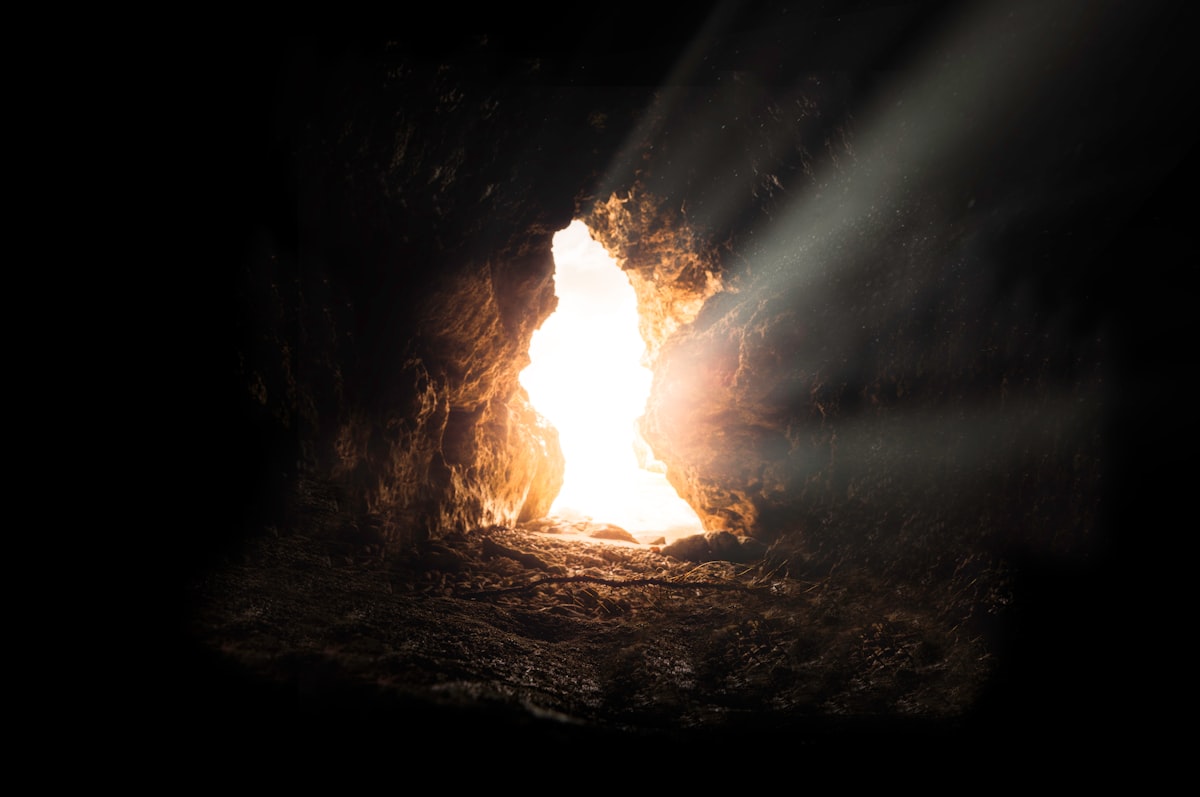
Every person who has ever lived shares the same problem. It is not poverty. It is not sickness. It is not loneliness, though all of these are real and painful. The deepest problem of the human race is sin, and sin carries a penalty that no amount of effort, education, or good intention can remove. The work of Jesus Christ is God's answer to that problem.
Paul stated the matter plainly: "For I delivered to you as of first importance what I also received: that Christ died for our sins in accordance with the Scriptures, that He was buried, that He was raised on the third day in accordance with the Scriptures" (1 Cor. 15:3–4). This is the heart of the Christian faith. Everything else flows from it.
1. Every person has sinned and faces the judgment of God.
2. Jesus Christ, the Son of God, died on the cross as a substitute for sinners.
3. His death paid the full penalty for sin and secured eternal redemption.
4. God's motive for sending Christ was love, not human merit.
5. Jesus rose from the dead, ascended to heaven, and continues to intercede for His people today.
Why Did Humanity Need Christ's Work?
Before we can appreciate what Jesus did, we must understand why He had to do it. Scripture does not flatter us here. It gives a diagnosis that is thorough and devastating.
Paul writes in Romans 3:10–12, "As it is written: 'None is righteous, no, not one; no one understands; no one seeks for God. All have turned aside; together they have become worthless; no one does good, not even one.'" Six charges stand against the human race in this passage. We are guilty of unrighteousness. We lack true understanding. We do not seek God on our own. We have turned aside from His ways. We have become worthless in His sight. And we fail to do genuine good.
These are not the failings of a few especially wicked people. They describe all of us. "For all have sinned and fall short of the glory of God" (Rom. 3:23).
What Does the Bible Say About Sin's Consequences?
The consequences of sin are not mild. Jesus Himself said, "Truly, truly, I say to you, everyone who practices sin is a slave to sin" (John 8:34). Sin is not a bad habit we can break with enough willpower. It is a master. It holds us in bondage.
And the bondage leads somewhere. James writes, "Then desire when it has conceived gives birth to sin, and sin when it is fully grown brings forth death" (Jas. 1:15). The end of sin is not embarrassment or regret. It is death.
Paul described the condition in even starker terms: "And you were dead in the trespasses and sins in which you once walked, following the course of this world, following the prince of the power of the air, the spirit that is now at work in the sons of disobedience, among whom we all once lived in the passions of our flesh, carrying out the desires of the body and the mind, and were by nature children of wrath, like the rest of mankind" (Eph. 2:1–3).
Those who persist in disobedience face the wrath of God. "Let no one deceive you with empty words, for because of these things the wrath of God comes upon the sons of disobedience" (Eph. 5:6). The law offers no escape, either. "For all who rely on works of the law are under a curse; for it is written, 'Cursed be everyone who does not abide by all things written in the Book of the Law, and do them'" (Gal. 3:10).
The whole world lies in the power of the evil one (1 John 5:19). Friendship with the world makes a person an enemy of God (Jas. 4:4). And the wages of sin is death (Rom. 6:23). Those who refuse God's remedy will suffer "the punishment of eternal destruction, away from the presence of the Lord and from the glory of His might" (2 Thess. 1:9).
This is the condition Christ entered to save us from. "For while we were still weak, at the right time Christ died for the ungodly" (Rom. 5:6).
What Did It Cost Jesus to Save Us?
The price of our redemption was not silver or gold. It was the life of the Son of God.
Paul describes the cost in Philippians 2:7–8. Jesus "emptied Himself, by taking the form of a servant, being born in the likeness of men. And being found in human form, He humbled Himself by becoming obedient to the point of death, even death on a cross." Consider what that passage says. Jesus emptied Himself. He took the form of a servant. He was born in human likeness. And He humbled Himself all the way to the cross.
Isaiah foretold it centuries earlier: "He was despised and rejected by men; a man of sorrows, and acquainted with grief; and as one from whom men hide their faces He was despised, and we esteemed Him not" (Isa. 53:3).
The law required blood for forgiveness. "Indeed, under the law almost everything is purified with blood, and without the shedding of blood there is no forgiveness of sins" (Heb. 9:22). And the blood that purchased our freedom was not the blood of animals. "You were ransomed from the futile ways inherited from your forefathers, not with perishable things such as silver or gold, but with the precious blood of Christ, like that of a lamb without blemish or spot" (1 Pet. 1:18–19).
On the cross, Jesus cried out, "My God, My God, why have You forsaken Me?" (Matt. 27:46). In that moment, the sinless Son of God bore the full weight of divine judgment on behalf of sinners. Isaiah had written, "All we like sheep have gone astray; we have turned, every one, to his own way; and the LORD has laid on Him the iniquity of us all" (Isa. 53:6).
The cost was total. Jesus held nothing back.
What Did Christ's Death Accomplish?
Jesus came to earth to pay the price for sin, and that price was His own life, given freely. "I am the good shepherd," He said. "The good shepherd lays down His life for the sheep. No one takes it from Me, but I lay it down of My own accord. I have authority to lay it down, and I have authority to take it up again" (John 10:11, 17–18).
His sacrifice was not temporary. It was final. "He entered once for all into the holy places, not by means of the blood of goats and calves but by means of His own blood, thus securing an eternal redemption" (Heb. 9:12). "For Christ also suffered once for sins, the righteous for the unrighteous, that He might bring us to God" (1 Pet. 3:18).
The provisions of this finished work are staggering in their scope. Through Christ's death, we who were enemies have been reconciled to God (Rom. 5:10). In Christ, we become the righteousness of God (2 Cor. 5:21). Christ gave Himself to deliver us from this present evil age (Gal. 1:4). In Him we have redemption through His blood and the forgiveness of our trespasses (Eph. 1:7). Our old self was crucified with Him so that we would no longer be enslaved to sin (Rom. 6:6–7).
How Does Christ's Work Answer Every Human Problem?
Every charge that stood against us in Romans 3 finds its answer in the work of Jesus Christ.
We were guilty of unrighteousness. But "by the one man's obedience the many will be made righteous" (Rom. 5:19). We lacked understanding. But "the Son of God has come and has given us understanding, so that we may know Him who is true" (1 John 5:20). We did not seek God. But "the Son of Man came to seek and to save the lost" (Luke 19:10).
We had turned aside. But "you were straying like sheep, but have now returned to the Shepherd and Overseer of your souls" (1 Pet. 2:25). We had become worthless. But God created us in Christ Jesus for good works, which He prepared beforehand, that we should walk in them (Eph. 2:10). We failed to do good. But in Christ, the qualities of faith and godliness keep us from being "ineffective or unfruitful in the knowledge of our Lord Jesus Christ" (2 Pet. 1:8).
We were slaves to sin. But "the law of the Spirit of life has set you free in Christ Jesus from the law of sin and death" (Rom. 8:2). We faced death. But Jesus said, "Whoever hears My word and believes Him who sent Me has eternal life. He does not come into judgment, but has passed from death to life" (John 5:24). We faced the wrath of God. But "since we have now been justified by His blood, much more shall we be saved by Him from the wrath of God" (Rom. 5:9).
Every problem. Every charge. Every consequence. Christ answered them all.
Why Did God Send Jesus to Die?
The motive behind Christ's work is the most humbling truth in all of Scripture. God did not save us because we deserved it. He saved us because He loved us.
"For God so loved the world, that He gave His only Son, that whoever believes in Him should not perish but have eternal life" (John 3:16). Paul makes the point even more pointed: "For while we were still weak, at the right time Christ died for the ungodly. For one will scarcely die for a righteous person, though perhaps for a good person one would dare even to die, but God shows His love for us in that while we were still sinners, Christ died for us" (Rom. 5:6–8).
We were not good when God saved us. We were not seeking Him. We were not worthy. We were weak, ungodly sinners. And God loved us anyway.
Peter praised this same mercy: "Blessed be the God and Father of our Lord Jesus Christ! According to His great mercy, He has caused us to be born again to a living hope through the resurrection of Jesus Christ from the dead" (1 Pet. 1:3). Love and mercy moved God to act. Nothing in us compelled Him. Everything in Him did.
Is Jesus Still Working Today?
When Jesus said "It is finished" from the cross (John 19:30), He completed His redemptive work. The debt was paid. The sacrifice was made. But the work of Christ did not end at the grave.
The grave could not hold Him. He rose from the dead, and that resurrection declared Him to be "the Son of God in power according to the Spirit of holiness" (Rom. 1:4). He ascended to the right hand of the Father, where He "upholds the universe by the word of His power" (Heb. 1:3). And His resurrection holds a promise for all who belong to Him: "For as in Adam all die, so also in Christ shall all be made alive" (1 Cor. 15:21–22).
Right now, Jesus is alive and active on behalf of His people. He intercedes for us. "Consequently, He is able to save to the uttermost those who draw near to God through Him, since He always lives to make intercession for them" (Heb. 7:25). He serves as our mediator. "For there is one God, and there is one mediator between God and men, the man Christ Jesus" (1 Tim. 2:5).
And He will return. "And if I go and prepare a place for you," Jesus promised, "I will come again and will take you to Myself, that where I am you may be also" (John 14:3).
The work of Christ stretches from the cross to the empty tomb, from the throne of heaven to His future return. He finished the work of redemption, and He continues the work of sustaining, interceding for, and keeping every person who belongs to Him. That is the work of Jesus Christ. And for every sinner who trusts in Him, it is more than enough.


Comments ()